
FCA Glossary
Provinces
Canada’s provinces are administrative divisions that organize the country into different regions, each with autonomy to define laws, policies and the educational system. Therefore, teaching varies depending on the region, as each area has specific rules and its own curricula.
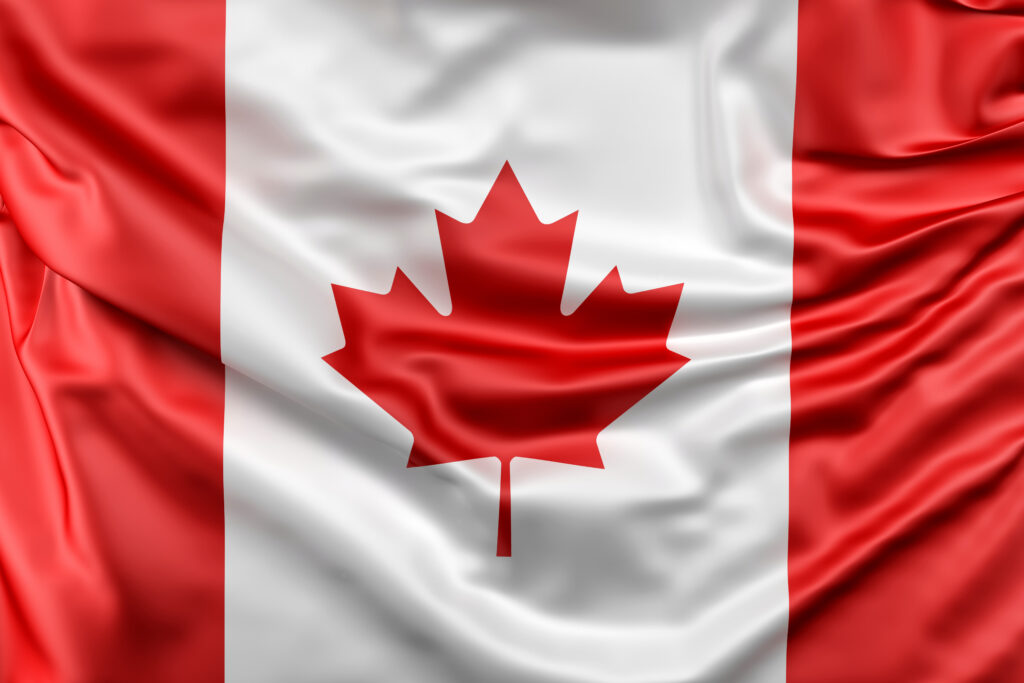
How provinces work in Canada?
Each manages its own education, health and public safety. Furthermore, they can create legislation adapted to local needs. Because of this autonomy, students face different educational experiences depending on their location.
Importance of provinces for international students
Studying in a specific region influences the curriculum, official language and teaching style. There are predominantly French-speaking areas, while others are predominantly English-speaking. In short, choosing the right location is essential to align your study with personal and academic expectations.
Differences between regions
There are significant differences in culture, climate and academic opportunities. For example, Quebec has a strong French influence, while Ontario stands out for its renowned universities. Therefore, researching the location is essential for a good decision.
The FCA and the provinces
Fredericton Christian Academy is located in New Brunswick, known for its multicultural and bilingual environment. This provides students with a rich experience, both in English and French, and exposure to diverse cultures.
Publication date
We published this glossary on 06/04/2025, based on current information about Canadian regional divisions. It is always recommended to consult official sources to monitor changes in local policies. If you have any questions, please contact us at Official WhatsApp of the FCA.
Need guidance?
Talk to the FCA team to understand how this topic applies to your program.